Stomach Cancer: Understanding the Disease and the Importance of Awareness
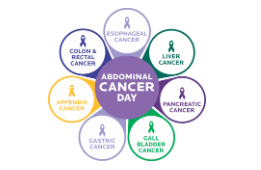
Stomach cancer, also known as gastric cancer, is a serious health condition affecting thousands of people globally every year. Stomach cancer originates in the lining of the stomach, often going unnoticed in its early stages. Unfortunately, due to its subtle symptoms, stomach cancer can progress significantly before detection, making awareness, early diagnosis, and preventive care crucial for improving outcomes. Abdominal Cancer Day is dedicated to raising awareness about this often-overlooked disease, providing vital information, and advocating for advancements in stomach cancer research and treatment.
What is Stomach Cancer?
Stomach cancer typically develops in the cells that line the stomach and is classified according to the cells where it originates. Adenocarcinoma is the most common type of stomach cancer, beginning in the stomach's mucus-producing cells. Other types include lymphomas, which originate in the immune cells, and gastrointestinal stromal tumors, which arise in the connective tissues. Although stomach cancer is relatively rare compared to other forms of cancer, its impact on patients and their families is profound, and survival rates depend heavily on the stage at which it is diagnosed.
Recognizing Symptoms of Stomach Cancer
Stomach cancer symptoms can be vague and easily mistaken for less severe conditions, making early detection challenging. Common symptoms include persistent indigestion, stomach pain, nausea, bloating after eating, and loss of appetite. As the cancer progresses, symptoms may include weight loss, vomiting, blood in stool, and difficulty swallowing. Individuals experiencing persistent symptoms are encouraged to seek medical attention, as early intervention greatly increases the likelihood of successful treatment.
Risk Factors and Prevention
Several risk factors may increase the likelihood of developing stomach cancer. A family history of the disease, infection with Helicobacter pylori (a common stomach bacterium), long-term inflammation of the stomach, smoking, and certain dietary factors are all associated with a higher risk of stomach cancer. For example, diets high in smoked or pickled foods and low in fruits and vegetables may increase risk. Understanding these risk factors enables individuals to take proactive steps toward prevention, such as improving dietary habits, quitting smoking, and seeking regular medical check-ups.
Importance of Early Detection and Screening
Early detection is critical for effectively treating stomach cancer, yet it remains a significant challenge due to the disease’s subtle onset. Routine screenings are typically not recommended for the general population; however, individuals at high risk, such as those with a family history of stomach cancer or related genetic conditions, may benefit from regular check-ups and screenings. Detecting cancer in its initial stages allows for more effective treatment options and can prevent the disease from spreading to other parts of the body.
Abdominal Cancer Day: A Commitment to Awareness and Support
Abdominal Cancer Day is a dedicated initiative aimed at educating the public on stomach cancer and other forms of abdominal cancers. By spreading knowledge, Abdominal Cancer Day encourages individuals to understand the symptoms, seek medical guidance, and prioritize preventive care. The organization collaborates with healthcare providers, cancer research institutions, and support networks to foster community support and drive advancements in diagnosis and treatment. Their mission goes beyond awareness, aiming to empower patients and their families by providing resources, offering guidance on treatment options, and advocating for accessible, high-quality care.
How You Can Contribute
Support for stomach cancer awareness is invaluable, as it aids in research funding, educational programs, and patient support services. By participating in Abdominal Cancer Day initiatives, you can help reduce the stigma, support families affected by stomach cancer, and contribute to the efforts to find a cure. Simple actions such as sharing information, donating to research, or volunteering at awareness events can have a lasting impact on many lives.
Conclusion
Stomach cancer is a life-threatening disease that demands greater awareness and attention. Through the dedicated efforts of Abdominal Cancer Day, individuals can become more informed, take preventive actions, and support those battling this condition. Early diagnosis and treatment are essential in fighting stomach cancer, and by raising awareness, we can work together to reduce its impact and foster hope for a cancer-free future.
Read More Info : Colorectal Cancer
Comments
Post a Comment