What is Abdominal Cancer?
Abdominal cancer is a term that encompasses a variety of cancers affecting the organs and tissues within the abdominal cavity. This includes cancers of the stomach, liver, pancreas, gallbladder, intestines, and other organs within this region. At the Abdominal Cancer Trust, we aim to provide comprehensive information and support to those affected by this complex and often challenging group of diseases.what is abdominal cancer .
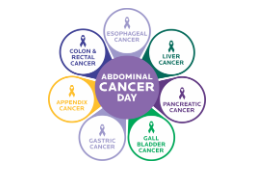
Types of Abdominal Cancer
-
Stomach Cancer (Gastric Cancer): This type of cancer begins in the cells lining the stomach. Symptoms can include indigestion, stomach pain, nausea, and weight loss. Early detection is crucial for effective treatment.
-
Liver Cancer: Liver cancer can be primary (originating in the liver) or secondary (spreading to the liver from other parts of the body). Symptoms may include jaundice, abdominal pain, and swelling.
-
Pancreatic Cancer: This cancer starts in the tissues of the pancreas. It is often difficult to detect early and can spread rapidly. Symptoms include jaundice, weight loss, and upper abdominal pain.
-
Gallbladder Cancer: This rare cancer affects the gallbladder, a small organ under the liver. Symptoms can include jaundice, abdominal pain, and nausea.
-
Colorectal Cancer: This cancer affects the colon or rectum and is one of the most common types of abdominal cancer. Symptoms include changes in bowel habits, blood in the stool, and abdominal discomfort.
-
Kidney Cancer: This type of cancer starts in the kidneys, which are located in the back of the abdominal cavity. Symptoms can include blood in the urine, lower back pain, and weight loss.
-
Ovarian Cancer: This cancer affects the ovaries and is often detected at a later stage. Symptoms can include bloating, pelvic pain, and changes in bowel habits.
Causes and Risk Factors
While the exact cause of many abdominal cancers is not fully understood, several risk factors can increase the likelihood of developing these diseases. These include:
- Genetics: A family history of certain cancers can increase risk.
- Age: The risk of abdominal cancers increases with age.
- Lifestyle Factors: Smoking, excessive alcohol consumption, and a poor diet can contribute to the development of abdominal cancers.
- Medical Conditions: Conditions such as chronic hepatitis, cirrhosis, and inflammatory bowel disease can increase risk.
Diagnosis and Treatment
Diagnosing abdominal cancer typically involves a combination of physical examinations, imaging tests (such as CT scans and MRIs), blood tests, and biopsies. Early detection is critical, as it significantly improves the chances of successful treatment.
Treatment options vary depending on the type and stage of cancer but may include:
- Surgery: Removing the tumor or affected organ.
- Chemotherapy: Using drugs to kill cancer cells.
- Radiation Therapy: Using high-energy radiation to destroy cancer cells.
- Targeted Therapy: Using drugs that target specific cancer cells without harming normal cells.
- Immunotherapy: Boosting the body's immune system to fight cancer.
Support and Resources
At the Abdominal Cancer Trust, we understand the emotional and physical toll that abdominal cancer can take on patients and their families. We offer a range of support services, including:
- Educational Resources: Providing detailed information about different types of abdominal cancer, treatment options, and coping strategies.
- Support Groups: Connecting patients and families with others who are going through similar experiences.
- Counseling Services: Offering emotional and psychological support to help manage the stress and anxiety associated with a cancer diagnosis.
- Financial Assistance: Helping patients navigate the financial challenges of cancer treatment.
Conclusion
Abdominal cancer is a diverse and complex group of diseases that require comprehensive care and support. The Abdominal Cancer Trust is dedicated to providing the resources and assistance needed to navigate this difficult journey. Through education, support, and advocacy, we strive to improve the lives of those affected by abdominal cancer and work towards a future with better treatment options and outcomes.
For more information or to get involved, please visit our website or contact us directly. Together, we can make a difference in the fight against abdominal cancer.
Read More Info : stomach cancer
Comments
Post a Comment