Understanding Appendix Cancer: Awareness and Support from Abdominal Cancer Day
Appendix cancer, though rare, is a serious condition that requires immediate medical attention and comprehensive care. At Abdominal Cancer Day, our mission is to raise awareness, provide support, and advocate for research and treatment advancements in the fight against appendix cancer.
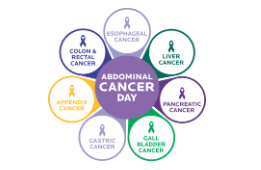
What is Appendix Cancer?
Appendix cancer, also known as appendiceal cancer, originates in the cells lining the appendix. The appendix is a small, tube-shaped organ attached to the large intestine. Though its function remains unclear, the appendix can develop malignant tumors, leading to various forms of cancer. The most common types include:
- Carcinoid Tumors: These are slow-growing tumors that often originate in hormone-producing cells.
- Mucinous Adenocarcinoma: These tumors produce mucus and can spread throughout the abdomen, causing a condition known as pseudomyxoma peritonei (PMP).
- Goblet Cell Carcinoid: This type combines features of both adenocarcinoma and carcinoid tumors, presenting unique treatment challenges.
- Signet Ring Cell Adenocarcinoma: A rare and aggressive form of cancer that tends to spread rapidly.
Symptoms and Diagnosis
Appendix cancer is often asymptomatic in its early stages, making early detection challenging. When symptoms do appear, they may include:
- Abdominal pain or discomfort
- Bloating or a sense of fullness
- Changes in bowel habits
- Unexplained weight loss
- Nausea and vomiting
Given the nonspecific nature of these symptoms, they can easily be mistaken for other gastrointestinal issues. Diagnostic procedures typically involve imaging tests such as CT scans or MRIs, blood tests, and sometimes a biopsy to confirm the presence of cancer cells.
Treatment Options
Treatment for appendix cancer depends on the type, stage, and spread of the disease. Common approaches include:
- Surgery: The primary treatment for localized tumors, often involving an appendectomy (removal of the appendix) or a more extensive procedure if the cancer has spread.
- Chemotherapy: Used to target cancer cells throughout the body, especially in cases where the disease has metastasized.
- Cytoreductive Surgery with Hyperthermic Intraperitoneal Chemotherapy (HIPEC): A specialized procedure combining extensive surgery to remove visible tumors and direct application of heated chemotherapy to the abdominal cavity.
The Role of Abdominal Cancer Day
At Abdominal Cancer Day, we understand the physical, emotional, and financial challenges faced by those diagnosed with appendix cancer. Our organization is dedicated to:
- Raising Awareness: Through campaigns, educational materials, and community events, we aim to increase public knowledge about appendix cancer, its symptoms, and the importance of early detection.
- Providing Support: We offer resources and support networks for patients, families, and caregivers. This includes counseling, support groups, and access to the latest information on treatment options and clinical trials.
- Advocating for Research: We fund and promote research initiatives focused on improving diagnosis, treatment, and outcomes for appendix cancer patients. Our goal is to support innovations that lead to more effective therapies and ultimately, a cure.
How You Can Help
You can join us in the fight against appendix cancer by:
- Participating in our awareness campaigns and events.
- Donating to support research and patient services.
- Volunteering your time or skills to assist with our initiatives.
- Sharing information about appendix cancer with your community.
Together, we can make a difference in the lives of those affected by appendix cancer. At Abdominal Cancer Day, we are committed to fostering hope, advancing research, and providing unwavering support to patients and their loved ones. Let's work together to improve outcomes and move closer to a world free of appendix cancer.
Read More Info : Laparoscopic Cancer Surgery
Comments
Post a Comment