Raising Awareness About Stomach Cancer
At the Abdominal Cancer Trust, our mission is to increase awareness about stomach cancer, a disease that affects thousands of individuals and families each year. Understanding the risk factors, symptoms, and importance of early detection can save lives and improve outcomes for those diagnosed with this challenging condition.
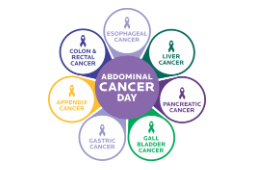
Understanding Stomach Cancer
stomach cancer awareness, also known as gastric cancer, occurs when malignant cells form in the lining of the stomach. This type of cancer often goes undetected in its early stages because symptoms can be vague and similar to less serious conditions. As a result, stomach cancer is frequently diagnosed at a more advanced stage, making treatment more complex.
Risk Factors
Several factors can increase the risk of developing stomach cancer. These include:
- Diet: A diet high in salty and smoked foods, and low in fruits and vegetables, can increase risk.
- Infection: Infection with Helicobacter pylori bacteria is a significant risk factor.
- Genetics: A family history of stomach cancer can increase one's risk.
- Lifestyle: Smoking and excessive alcohol consumption are linked to higher stomach cancer rates.
- Medical Conditions: Conditions like chronic gastritis, pernicious anemia, and stomach polyps can elevate risk.
Recognizing Symptoms
Early detection is crucial for successful treatment, so it's essential to recognize the symptoms of stomach cancer. Common symptoms include:
- Persistent indigestion or heartburn
- Bloating after meals
- Loss of appetite and unexplained weight loss
- Nausea and vomiting
- Stomach pain or discomfort
- Difficulty swallowing
If you or a loved one experiences any of these symptoms consistently, it's important to consult a healthcare professional.
The Importance of Early Detection
Early detection of stomach cancer significantly improves treatment outcomes. Regular medical check-ups and being aware of the symptoms can lead to earlier diagnosis and more effective treatment options. For those at higher risk, such as individuals with a family history of stomach cancer or chronic stomach conditions, regular screenings and consultations with a healthcare provider are especially important.
Treatment Options
Treatment for stomach cancer varies depending on the stage and location of the cancer, as well as the patient's overall health. Common treatments include:
- Surgery: Removing part or all of the stomach.
- Chemotherapy: Using drugs to kill cancer cells.
- Radiation Therapy: Using high-energy rays to target and destroy cancer cells.
- Targeted Therapy: Using drugs that specifically target cancer cells.
Each treatment plan is tailored to the individual's needs, and advancements in medical research continue to improve the effectiveness of these treatments.
How You Can Help
At the Abdominal Cancer Trust, we believe that raising awareness and educating the public about stomach cancer is a powerful tool in the fight against this disease. Here are some ways you can help:
- Educate Yourself and Others: Learn about the risk factors and symptoms of stomach cancer and share this knowledge with friends and family.
- Support Research: Contribute to organizations and initiatives that fund stomach cancer research.
- Promote Healthy Lifestyles: Encourage healthy eating, regular exercise, and avoiding tobacco and excessive alcohol use.
- Advocate for Regular Check-ups: Stress the importance of regular medical check-ups and screenings, especially for those at higher risk.
Conclusion
By spreading awareness and understanding the signs and risk factors of stomach cancer, we can help detect it earlier and improve the chances of successful treatment. The Abdominal Cancer Trust is dedicated to supporting those affected by stomach cancer and working towards a future where this disease can be effectively managed and treated. Together, we can make a difference.
For more information, resources, and support, please visit our website or contact us directly.
Read More Info : breast cancer awareness events
Comments
Post a Comment